Explore the Salish Sea
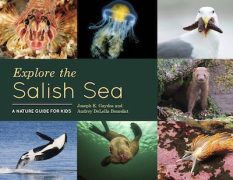
This beautiful book inspires kids to become “nature detectives” of a wide variety of mammals, birds, fish, reptiles, and tiny invertebrates barely visible to the naked eye.
This beautiful book inspires kids to become “nature detectives” of a wide variety of mammals, birds, fish, reptiles, and tiny invertebrates barely visible to the naked eye.
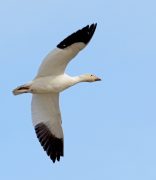
The Winter 2019 issue of Salish Magazine tells stories about some of our local birds: some year-round residents and some seasonal ones; some large and some tiny; some land-based and some seabirds.
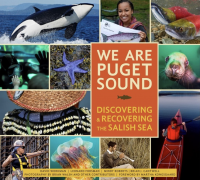
“We Are Puget Sound” is a celebration of the ecosystem that is the Salish Sea, and even more it is a celebration of us: the community of people who choose to live here.

This will be the kind of field guide that paper can’t deliver, a guide that will show you behavior of creatures (video), interactions between creatures instead of a separate page for each one, and so you can keep looking at cool stuff while learning, it can read to you! And the content won’t be just science-y stuff, it’ll also include cultural interpretations: poetry, art, stories, etc.

If we listen with our eyes, we can hear the seashore talking. “How do I love thee? Let me count the hearts…”

Every summer for decades, Jim Nollman played music with the same pod of orcas. He wasn’t performing communication experiments on animals in a laboratory or an aquarium. Instead, he explored communication with the animals as willing participants in their own habitats.
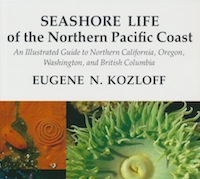
In this keystone tome, zoologist Eugene Kozloff describes the common plants and animals that inhabit rocky shores, sandy beaches, and quiet bays and estuaries from Monterey to northern British Columbia.
Collections of high quality glimpses at our underwater world can be found in Pacific Northwest Diver, a bi-monthoy e-Magazine that offers peeks below the surface that leap right off the screen.
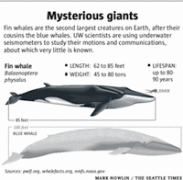
Fin whales produce some of the loudest noises in the animal kingdom. So loud that marine geophysicists have found fin whale calls recorded by seismometers they use to detect earthquakes. Since these whales haven’t been studied much, scientists are using the whale’s calls to learn more about their behavior.
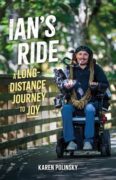
In Ian’s Ride, Karen Polinsky tells an inspiring story of Ian Mackay learning ways to approach life after he had been paralyzed from the neck down. One of the things I especially liked about the story was how it focused on the process of finding solutions rather than dramatizing a negative view of the situation.

A five-episode series, each one about a different ocean. The underwater video is stunning, and it does a good job of pointing out ecosystem interconnections.
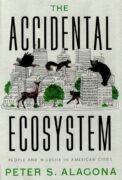
Cities do, indeed, have their own ecosystems. These have developed over centuries of city growth, suburb growth, and other human impacts on the lands. This book added a new dimension to my understanding of how we are impacting nature.
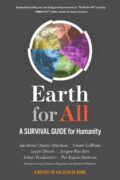
Earth for All was published in 2022 as a report to The Club of Rome. As I read it, I realized that it was part of a “new wave” of literature about addressing our current global problems — a wave that was based on systems thinking.
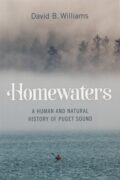
I highly recommend Homewaters — for the way it introduces the components of the Puget Sound ecosystem, but especially for how it weaves the various parts together.