They were cavemen, what are we?

What will people call us tens of thousands of years from now? We’ll be known as the people who haven’t yet learned to
What will people call us tens of thousands of years from now? We’ll be known as the people who haven’t yet learned to

We humans have an odd way of assigning value to things. We put a price on oil, minerals, timber, and just about anything we can dig out of the ground. But what about the living things that make this planet habitable in the first place? That’s the question that stayed with me after watching How to
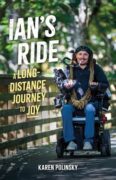
In Ian’s Ride, Karen Polinsky tells an inspiring story of Ian Mackay learning ways to approach life after he had been paralyzed from the neck down. One of the things I especially liked about the story was how it focused on the process of finding solutions rather than dramatizing a negative view of the situation.

A five-episode series, each one about a different ocean. The underwater video is stunning, and it does a good job of pointing out ecosystem interconnections.
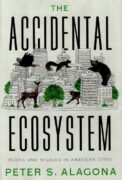
Cities do, indeed, have their own ecosystems. These have developed over centuries of city growth, suburb growth, and other human impacts on the lands. This book added a new dimension to my understanding of how we are impacting nature.
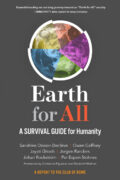
Earth for All was published in 2022 as a report to The Club of Rome. As I read it, I realized that it was part of a “new wave” of literature about addressing our current global problems — a wave that was based on systems thinking.