EPA Dive Videos
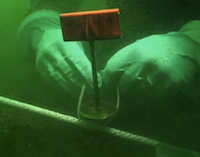
What do these have in common: Monitoring creosote at the bottom of Eagle Harbor in Puget Sound, surveying an Oregon Coast dredged material disposal site, characterizing a seafood outfall from a salmon processor in Ketchikan, Alaska?
What do these have in common: Monitoring creosote at the bottom of Eagle Harbor in Puget Sound, surveying an Oregon Coast dredged material disposal site, characterizing a seafood outfall from a salmon processor in Ketchikan, Alaska?
See the winners of Facing the Future’s Make a Sound Impact student video contest in 2011. You can also see all of the videos submitted to the contest.
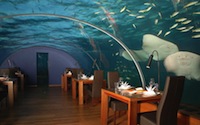
Why don’t we have more places where people can hang out in the submarine world without actually getting wet? As I was speaking with a friend the other day about the Naval Undersea Museum in Keyport, WA, she said she had been to the museum but was very disappointed because it wasn’t undersea at all!
Encyclopedia of Puget Sound (Beta version) is online as of 16 May 2012 at http://eopugetsound.org This web site offers access to the most relevant and up-to-date scientific information, primarily for researchers and policymakers working to protect and restore Puget Sound. It is, however, also available to everyone else. This online effort is designed as a reference source
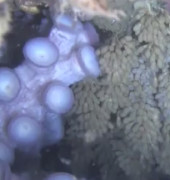
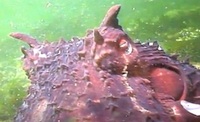
Laurynn Evans observed an octopus over a 10 month period and filmed its eggs and hatchlings. People seem to think that puppies are cute, but how can you argue with the cuteness factor of tiny, rounded, jet-propelled babies from inner space sporting 8 legs and 3 hearts?
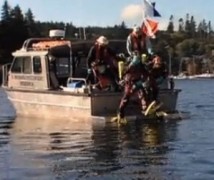
EPA divers inspect “cap” put over creosote contaminated sediment on the bottom of Eagle Harbor.

Ever wonder what was under the water as you drive across Lake Washington? This radio story discusses some of the man-made items that lie hidden from land-lubber eyes.
The story originally aired on FM station KUOW, 02 December 2011.
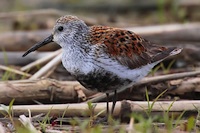
The Nisqually Delta Restoration Project web site offers access to a wide variety of information, including news, photos, video, and science reports about this project. The videos are definitely worth checking out.
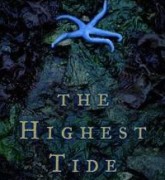
“I learned early on that if you tell people what you see at low tide they’ll think you’re exaggerating or lying when you’re actually just explaining strange and wonderful things…” (The Highest Tide, Lynch)
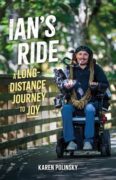
In Ian’s Ride, Karen Polinsky tells an inspiring story of Ian Mackay learning ways to approach life after he had been paralyzed from the neck down. One of the things I especially liked about the story was how it focused on the process of finding solutions rather than dramatizing a negative view of the situation.
A five-episode series, each one about a different ocean. The underwater video is stunning, and it does a good job of pointing out ecosystem interconnections.
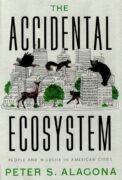
Cities do, indeed, have their own ecosystems. These have developed over centuries of city growth, suburb growth, and other human impacts on the lands. This book added a new dimension to my understanding of how we are impacting nature.
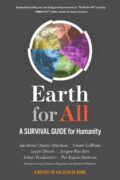
Earth for All was published in 2022 as a report to The Club of Rome. As I read it, I realized that it was part of a “new wave” of literature about addressing our current global problems — a wave that was based on systems thinking.
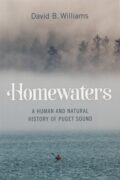
I highly recommend Homewaters — for the way it introduces the components of the Puget Sound ecosystem, but especially for how it weaves the various parts together.