Movies

CAP ON TOXIC UNDERWATER CREOSOTE LAKE

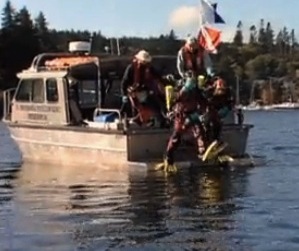
diver steps off boat into Eagle HarborBainbridge Island resident and EPA diver Lisa Macchio steps into water to inspect the “cap” put over creosote contaminated sediment on the bottom of Eagle Harbor.

The creosote is a legacy of the the Wycoff wood treatment facility that operated from 1903 to 1988.  It was capped in 1994 with about 3 feet of sediment dredged from the Snohomish River.

This video is a story by King-5 News (Seattle).  It follows EPA divers who periodically monitor the cap.
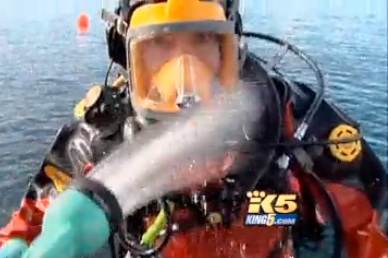
diver being hosed off after diveThe second photo here shows a diver who visited the contaminated site being rinsed off before exiting the water.


More about the EPA Dive Team.

Other videos by the EPA Region 10 (Pacific Northwest) Dive Team can be found at the EPA site and others on YouTube.
 

Comments are closed.

Recent Media Articles

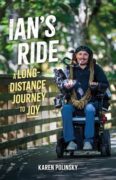
Ian’s Ride
Book Cover of Ian's Ride

In Ian’s Ride, Karen Polinsky tells an inspiring story of Ian Mackay learning ways to approach life after he had been paralyzed from the neck down. One of the things I especially liked about the story was how it focused on the process of finding solutions rather than dramatizing a negative view of the situation.

Read More »

Our Oceans

A five-episode series, each one about a different ocean. The underwater video is stunning, and it does a good job of pointing out ecosystem interconnections.

Read More »

The Accidental Ecosystem
cover of book The Accidental Ecosystem

Cities do, indeed, have their own ecosystems. These have developed over centuries of city growth, suburb growth, and other human impacts on the lands. This book added a new dimension to my understanding of how we are impacting nature.

Read More »

Earth For All

Earth for All was published in 2022 as a report to The Club of Rome. As I read it, I realized that it was part of a “new wave” of literature about addressing our current global problems — a wave that was based on systems thinking.

Read More »

Homewaters
Homewaters cover

I highly recommend Homewaters — for the way it introduces the components of the Puget Sound ecosystem, but especially for how it weaves the various parts together.

Read More »