Games

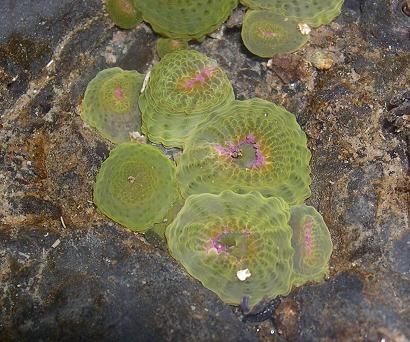
FG Proto: Anthopleura elegantissima (Aggregating anemone)

This page is a part of the Nearshore Field Guide prototype that is temporarily sharing the “games” category on this web site


Copyright © 2005 Mary Jo Adams

Copyright © 2005 Mary Jo Adams

Anthopleura elegantissima lives in rocky areas from the middle to low intertidal zones, it can also be found higher in tide pools. 

Colonies of Anthopleura elegantissima may cover large rocks. These cloned individuals usually don’t grow more than about an inch across before splitting into two new anemones. Larger solitary individuals can be found in tide pools and in the low intertidal zone. 

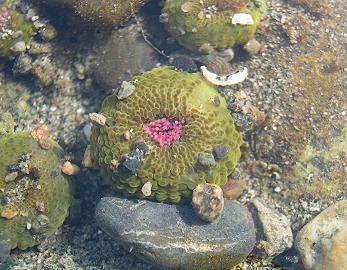
This anemone is generally green with pink or purple tipped tentacles. The exact shade of green varies depending on the presence and ratio of two single-celled symbiotic organisms in its tissues; a green algae and an olive or golden brown dinoflagellate.   Without the symbiont, they appear grayish or white except for the pink on their tentacles. 

Anthopleura elegantissima has a rather general diet, feeding on small animals that it captures with its tentacles, barnacle molts, and other dead animal material.    
Copyright © 2005 Mary Jo Adams

Copyright © 2005 Mary Jo Adams

Anthopleura elegantissima may be hard to see because as the tide recedes and the organism closes up, it picks up bits of shells, sand, and small rocks that will cover it. This helps in camouflage and also protects it from drying out.
Copyright © 2005 Mary Jo Adams

Copyright © 2005 Mary Jo Adams

Copyright © 2005 Mary Jo Adams

Copyright © 2005 Mary Jo Adams


Original page on EZ-ID Guides was created by Mary Jo Adams on 10/23/05
Comments are closed.

Recent Media Articles

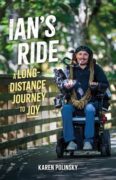
Ian’s Ride
Book Cover of Ian's Ride

In Ian’s Ride, Karen Polinsky tells an inspiring story of Ian Mackay learning ways to approach life after he had been paralyzed from the neck down. One of the things I especially liked about the story was how it focused on the process of finding solutions rather than dramatizing a negative view of the situation.

Read More »

Our Oceans

A five-episode series, each one about a different ocean. The underwater video is stunning, and it does a good job of pointing out ecosystem interconnections.

Read More »

The Accidental Ecosystem
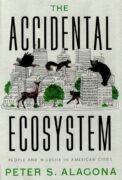
cover of book The Accidental Ecosystem

Cities do, indeed, have their own ecosystems. These have developed over centuries of city growth, suburb growth, and other human impacts on the lands. This book added a new dimension to my understanding of how we are impacting nature.

Read More »

Earth For All

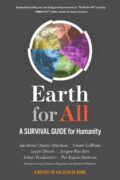
Earth for All was published in 2022 as a report to The Club of Rome. As I read it, I realized that it was part of a “new wave” of literature about addressing our current global problems — a wave that was based on systems thinking.

Read More »

Homewaters
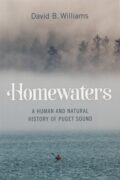
Homewaters cover

I highly recommend Homewaters — for the way it introduces the components of the Puget Sound ecosystem, but especially for how it weaves the various parts together.

Read More »