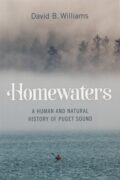
SEA-Media.org aims at being a beacon in the frenetic hubbub of the internet — one-stop-browsing for anyone who was interested in media related to Pacific Northwest waters.
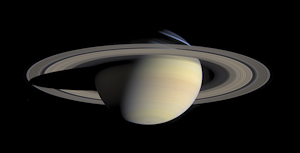 As I was preparing a presentation for a science conference next week (Oct 26, 2011), I wanted some photos that illustrated things that we typically don’t see in our daily lives — things we rely on the media to learn about. Like the rings of Saturn, strange animals on other continents, or more to the point, our underwater neighborhoods.
Searching for ideas online, I discovered a web site created by Jay Hilgert that offered 35 stunning, high resolution “public domain” astronomy photos. What does that really mean, offering “public domain” photos online?
There are 2 key concepts here. First of all is that there are rights attached to media, whether prose, photos, music, or whatever. By default, usage rights are reserved for the creator of the media. Media made with federal tax dollars, NASA space photos for example, are in the public domain: anyone can use them for anything without getting permission. And there are many other flavors of copyrights between those 2 extremes.
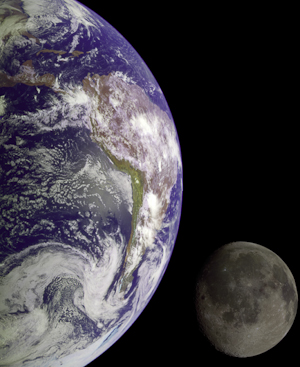
So one benefit of Jay’s “35 Stunning Astronomy Photos” site is that it called attention to the fact that there are some pretty amazing photos out there that can be used freely by anyone.
The second key idea associated with Jay Hilgert’s site is something that has made Google rich and famous — we can’t possibly find what we’re looking for online by browsing through every site, there are just too many of them. To find what we want, we need a good search engine, or a site that aggregates things we’re interested in, or a subscription, or an artificially intelligent robot, or …
Jay’s site collects both some amazing images and links to their sources in one place that’s easy for astronomy buffs to find.
What does all this have to do with our Northwest waters? Jay’s site of 35 Stunning Astronomy Photos and the Wikimedia site both are models for what SEA-Media’s web site could be. Another example is the Flickr site set up by the Puget Sound Partnership’s ECO Net to house a collection of photographs and videos provided by members for anyone in the ECO Net group to use for presentations, newsletters, brochures and other educational materials to aid in the preservation and recovery of Puget Sound.
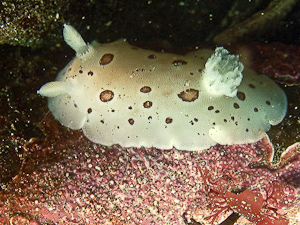 What we have in mind for SEA-Media.org is similar, but a little different. It’s focused not just on Puget Sound but on PNW waters in general. We’re not aiming to provide just an archive of photos that can be used for a specific purpose, but a beacon in the frenetic hubbub of the internet — one-stop-browsing for anyone who was interested in media related to PNW waters. We’ve got a good start, and making it a comprehensive and useful site is entirely doable. Like the Wikimedia.org site, though, it will require volunteers to help gather the links to relevant media and put them on SEA-Media.org