About SEA-Media
How often do you see well reasoned, factual media stories about nature here in the Pacific Northwest?
SEA-Media was started to bring you media about our Pacific Northwest waters: links to books, movies, art, music, blogs, and more. In recent years, we have embraced ecosystem inclusivity, and now we include some terrestrial content as well as marine oriented content.
We specialize in highlighting independent media, but we include as much quality media as we can from all sources. We hope exploring this web site will help you better know our regional environment.
SEA-Media is a 501(c)(3) nonprofit corporation dedicated to increasing the profile of our environment in the media. This includes posting reviews of quality, local, nature media and the production of the online Salish Magazine.
SEA-Media seeks to fill a void that certainly needs filling: the void between nature and people. It’s a crucial need, with little time to waste. If people continue to believe humanity is separate from nature, we’ll find that the joke is on us. If we understand, if we are shown, that humanity is wholly reliant on the systems which make life possible as well as beautiful, we just might have a chance.
— Carl Safina, author of Song for the Blue Ocean and The View From LazyPoint
Our Mission
SEA-Media’s mission is to connect the public with media about our region’s natural wonders — media that will inspire and inform them about how ecosystems work and help them develop the understanding necessary to appreciate, enjoy, and protect our natural, marine-influenced ecosystem.
Our Vision
SEA-Media envisions a world in which people are aware of and curious about our natural ecosystems. Furthermore, we envision that greater understanding and awareness will encourage people to become stakeholders in the persistence and healthy functioning of our natural ecosystems here in the Pacific Northwest.
Our Values
SEA-Media values factual, scientific, and educational information from reliable sources, with emphasis on the deep interconnectedness of our ecosystems. We also value cultural expressions (such as poetry and art) that help people understand and connect with the ecosystem itself.
Recent Media Articles
Ian’s Ride
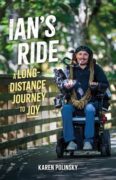
In Ian’s Ride, Karen Polinsky tells an inspiring story of Ian Mackay learning ways to approach life after he had been paralyzed from the neck down. One of the things I especially liked about the story was how it focused on the process of finding solutions rather than dramatizing a negative view of the situation.
Our Oceans
A five-episode series, each one about a different ocean. The underwater video is stunning, and it does a good job of pointing out ecosystem interconnections.
The Accidental Ecosystem
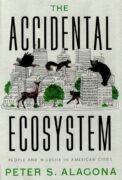
Cities do, indeed, have their own ecosystems. These have developed over centuries of city growth, suburb growth, and other human impacts on the lands. This book added a new dimension to my understanding of how we are impacting nature.
Earth For All
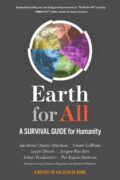
Earth for All was published in 2022 as a report to The Club of Rome. As I read it, I realized that it was part of a “new wave” of literature about addressing our current global problems — a wave that was based on systems thinking.
Homewaters
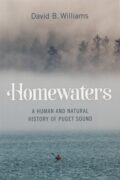
I highly recommend Homewaters — for the way it introduces the components of the Puget Sound ecosystem, but especially for how it weaves the various parts together.