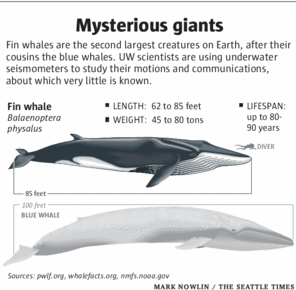
 Scientists use seismometers on the ocean floor to monitor small earthquakes. But these seismometers detect more than earthquakes, they pick up the deep tones of the calls of fin whales — far more whale calls, in fact, than earthquakes. Fin whales produce some of the loudest noises in the animal kingdom. But they haven’t been studied much, so scientists are learning to use the whale calls recorded by their seismic equipment to learn more about the behavior of the fin whales. You can learn more about this amazing application of data from one scientific discipline to another in a May 11, 2013 article in the Seattle Times by Sandi Doughton: Scientists track giant whales by their earthshaking calls. That online article also contains audio of whale calls off Vancouver Island.
Written
Recent Media Articles
Ian’s Ride

In Ian’s Ride, Karen Polinsky tells an inspiring story of Ian Mackay learning ways to approach life after he had been paralyzed from the neck down. One of the things I especially liked about the story was how it focused on the process of finding solutions rather than dramatizing a negative view of the situation.
Our Oceans

A five-episode series, each one about a different ocean. The underwater video is stunning, and it does a good job of pointing out ecosystem interconnections.
The Accidental Ecosystem
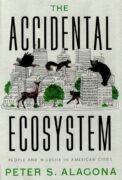
Cities do, indeed, have their own ecosystems. These have developed over centuries of city growth, suburb growth, and other human impacts on the lands. This book added a new dimension to my understanding of how we are impacting nature.
Earth For All
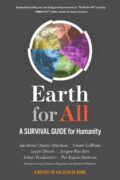
Earth for All was published in 2022 as a report to The Club of Rome. As I read it, I realized that it was part of a “new wave” of literature about addressing our current global problems — a wave that was based on systems thinking.
Homewaters
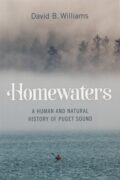
I highly recommend Homewaters — for the way it introduces the components of the Puget Sound ecosystem, but especially for how it weaves the various parts together.